
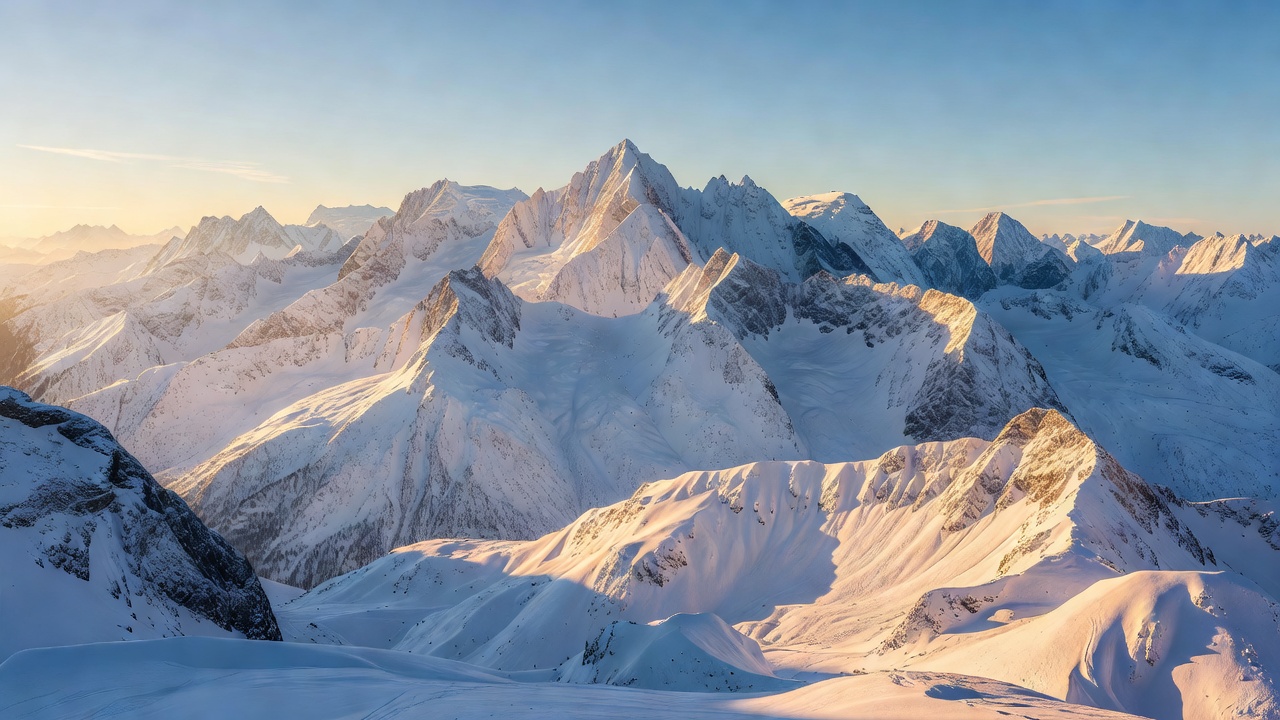
Zermatt is the Swiss ski resort most people picture first: a Matterhorn-framed village of wooden chalets, electric taxis and horse-drawn sleighs, with a ski area that climbs to the Klein Matterhorn at 3,883 metres. Its Matterhorn Ski Paradise links Swiss slopes with Cervinia in Italy, giving roughly 360 km of pistes in total according to the resort.
Why ski Zermatt
Three mountain sectors define the experience: Sunnegga–Rothorn, Gornergrat–Stockhorn and Matterhorn Glacier Paradise. Altitude gives long seasons and reliable snow; views of the Matterhorn and surrounding 4,000-metre peaks make even a simple lunch stop memorable. The village itself is car-free, so streets are quiet and walkable.
Slopes and difficulty
Zermatt skews toward confident intermediates and experts. Wide red runs fall from Rothorn and Gornergrat, while the Klein Matterhorn glacier provides long, high cruising. Strong skiers can hire a mountain guide to explore off-piste routes, including descents from the glacier area. Beginners are catered for around Sunnegga and Blauherd, but runs back to the village can be long and variable in difficulty. The ski route to Italy is a highlight for intermediates, and you must check the last lift back before heading to Cervinia.
Snow conditions
High terrain above 3,000 m means a long main season, and glacier skiing continues well beyond it. Lower runs toward the village, around 1,600 m, depend on cold temperatures and snowmaking, so warm spells in early or late season can leave bottom sections thin. January to mid-March is usually the safest window. Check the live snow report on the official Zermatt site and the SLF avalanche bulletin before skiing off-piste.
Ski pass prices (indicative)
| Ticket | What to expect |
|---|---|
| Adult day pass | Roughly CHF 90–120 depending on date and whether Italy is included |
| Multi-day | Lower cost per day; compare online and window prices |
| Children and youth | Reduced rates; age bands vary by season |
| Swiss + Italy area | Higher tier than Swiss-only areas; check what each ticket covers |
Verify: Prices change by date and are set by the lift operator. Confirm on the official Matterhorn Ski Paradise website before purchase.
Where to stay
Zermatt ranges from simple guesthouses and apartments to grand hotels such as the Mont Cervin Palace and Zermatterhof. Staying close to the Matterhorn Express gondola or the Sunnegga funicular saves time on mornings. Weekends in peak weeks, Christmas and February book out early.
Family activities
The Wolli Park children's area at Sunnegga offers a gentle introduction to snow. Off the slopes, families can ride the Gornergrat cog railway, go winter walking on prepared trails, or try the Matterhorn Museum in the village.
Après-ski
Zermatt's evenings start on sunny terraces and move into village bars such as Hennu Stall and Elsie's Bar. Expect live music, raclette and cocktails rather than all-night clubbing. Many hotel restaurants hold fondue evenings, so book ahead in high season.
Getting there
Cars stop at Täsch, where a shuttle train covers the last 12 minutes or so. By train, Zermatt is about 3.5 to 4 hours from Zurich or Geneva via Visp, with a change to the Matterhorn Gotthard Railway. The Glacier Express stops here on its way to St. Moritz. See our transport guide for details.
Pros and cons
Pros
- High, snow-sure terrain
- Iconic views and car-free village
- Cross-border skiing to Italy
Cons
- Premium prices
- Long journey from airports
- Limited true beginner terrain